
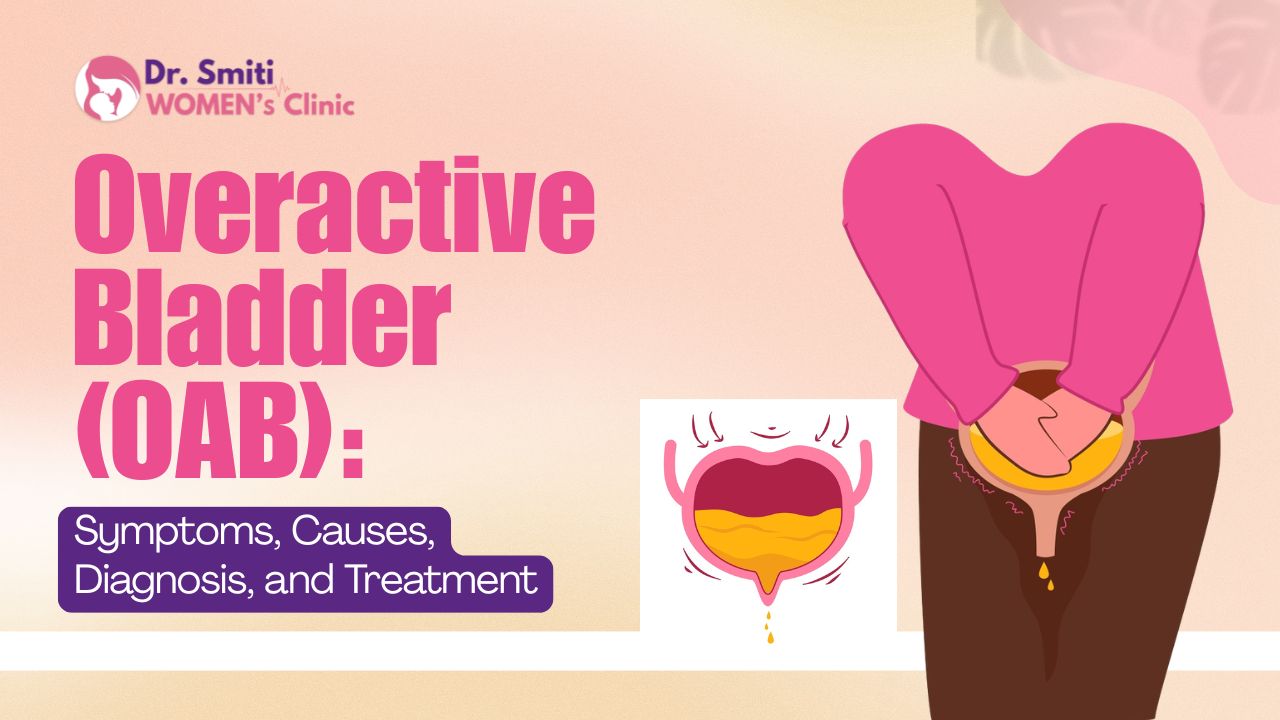
Overactive bladder (OAB) is a common but often overlooked urinary condition that can significantly affect daily life, sleep quality, emotional well-being, and overall confidence. Many people living with frequent urination, sudden urgency, nighttime bathroom visits, or accidental urine leakage often assume it is a normal part of aging or temporary discomfort. However, ignoring these symptoms can make the condition worse over time.
If you are searching for overactive bladder treatment, understanding the symptoms, causes, diagnosis, and available treatment options is the first step toward better bladder health.
The good news is that OAB is manageable, and with proper medical care, lifestyle changes, and the right treatment approach, many people experience major improvement.
What Is Overactive Bladder (OAB)?
Overactive bladder is a condition in which the bladder muscles contract too often or at inappropriate times, creating a sudden and difficult-to-control urge to urinate. This can happen even when the bladder is not full.
Normally, the bladder stores urine until it is convenient to empty. In OAB, this control system becomes overactive, leading to frequent and urgent urination.
Common features of OAB include:
- Frequent urination during the day
- Sudden urgency to urinate
- Waking up multiple times at night to urinate (nocturia)
- Leakage of urine before reaching the toilet (urge incontinence)
OAB itself is not always a separate disease. In many cases, it may be linked to another underlying issue such as urinary tract infections, bladder irritation, hormonal changes, nerve problems, or prostate enlargement.
Symptoms of Overactive Bladder
Recognizing the symptoms early can help prevent long-term discomfort and improve treatment success.
1. Urgency
Urgency is one of the most common signs of OAB. It is a sudden, intense need to urinate that can feel impossible to postpone. This urgency may come without warning and may interfere with daily activities.
2. Frequent Urination
Most people urinate around 6–8 times a day. If you are going more than 8 times in 24 hours without excessive fluid intake, it may suggest overactive bladder.
3. Nocturia
Nocturia means waking up one or more times during the night to urinate. Severe cases may involve waking multiple times, leading to poor sleep, daytime fatigue, reduced productivity, and irritability.
4. Urge Incontinence
Some people experience urine leakage because the urge to urinate becomes so sudden that they cannot reach the bathroom in time.
5. Bladder Pressure or Incomplete Emptying
Some individuals may feel constant bladder pressure or feel their bladder is not fully empty after urination.
How Overactive Bladder Affects Daily Life?
OAB is more than a physical inconvenience. It can deeply affect social, emotional, and professional life.
Daily challenges may include:
- Interruptions during work meetings or travel
- Constant planning around restroom access
- Sleep disturbances and chronic fatigue
- Anxiety about leakage or accidents
- Reduced social confidence
- Avoidance of public outings
- Relationship or intimacy concerns
Many people feel embarrassed discussing bladder issues, but seeking timely medical guidance can dramatically improve quality of life.
Causes of Overactive Bladder
There are multiple possible causes of OAB, and sometimes several factors work together.
1. Aging and Bladder Muscle Changes
As people age, bladder muscles may become less flexible, and bladder control may weaken. While OAB is more common in older adults, it should never simply be accepted as “normal aging.”
2. Nerve-Related Conditions
Bladder function depends heavily on nerve signals between the brain and bladder. Conditions that may interfere include:
- Diabetes
- Stroke
- Parkinson’s disease
- Multiple sclerosis
- Spinal cord injuries
These conditions may cause incorrect bladder signaling, leading to urgency or frequency.
3. Hormonal Changes
Hormonal shifts, especially during menopause, can weaken bladder-supporting tissues and pelvic floor muscles.
4. Enlarged Prostate
In men, prostate enlargement can obstruct urine flow, forcing the bladder to work harder and become overactive.
5. Urinary Tract Infections (UTIs)
Infections can irritate the bladder lining, causing symptoms similar to OAB.
6. Pregnancy and Childbirth
Pregnancy and vaginal delivery may stretch or weaken pelvic floor muscles, affecting bladder control.
7. Obesity
Excess weight places additional pressure on the bladder and pelvic muscles.
8. Bladder Irritants
Certain foods and beverages may trigger or worsen symptoms, including:
- Coffee
- Tea
- Alcohol
- Energy drinks
- Carbonated drinks
- Citrus fruits
- Spicy foods
- Artificial sweeteners
9. Medications
Diuretics and certain medications may increase urine production or bladder activity.
10. Idiopathic OAB
In some cases, no clear cause is identified, but symptoms can still be treated effectively.
How Is Overactive Bladder Diagnosed?
Diagnosis involves understanding symptoms, identifying triggers, and ruling out other medical conditions.
Common diagnostic methods include:
Medical History Review
Doctors assess symptoms, lifestyle habits, fluid intake, and medical conditions.
Physical Examination
This may include abdominal, pelvic, or neurological assessments.
Urine Testing
Checks for infection, blood, or other urinary abnormalities.
Bladder Diary
Recording urination times, urgency episodes, and fluid intake over several days.
Post-Void Residual Measurement
Determines how much urine remains in the bladder after urination.
Urodynamic Testing
Measures bladder pressure, muscle function, and urine flow.
Cystoscopy
In some cases, a small camera is used to examine the bladder internally.
Treatment Options for Overactive Bladder
Treatment usually begins with conservative approaches and progresses if symptoms remain severe.
Step 1: Lifestyle Changes
Lifestyle adjustments can greatly reduce symptoms.
Key changes include:
Fluid Management
Drink enough water, but avoid overhydration and reduce fluids before bedtime.
Avoid Bladder Irritants
Reducing caffeine, alcohol, fizzy drinks, and spicy foods can help.
Weight Management
Losing excess weight can reduce bladder pressure.
Treat Constipation
Healthy bowel habits can reduce pelvic pressure.
Smoking Cessation
Smoking can worsen bladder irritation and chronic coughing may weaken pelvic muscles.
Step 2: Bladder Training
Bladder training helps improve bladder capacity and control.
Techniques include:
- Scheduled bathroom visits
- Delaying urination gradually
- Deep breathing during urgency
- Urge suppression strategies
Step 3: Pelvic Floor Exercises (Kegels)
Pelvic floor exercises strengthen bladder support muscles.
Benefits include:
- Better bladder control
- Reduced urgency
- Less leakage
- Improved pelvic strength
Regular practice is essential for long-term results.
Step 4: Medications
If conservative treatments are not enough, medications may be recommended.
Common options:
Antimuscarinics
Reduce bladder muscle spasms.
Beta-3 Agonists
Relax bladder muscles and improve storage.
Possible side effects:
- Dry mouth
- Constipation
- Blurred vision
- Dizziness
Step 5: Advanced Treatments
For severe or resistant OAB:
Botox Injections
Botox can relax bladder muscles and reduce urgency.
Nerve Stimulation Therapy
Electrical stimulation improves bladder nerve control.
Sacral Neuromodulation
A device regulates nerve communication with the bladder.
Can Overactive Bladder Be Prevented?
Although not every case can be prevented, healthy habits can lower risk.
Prevention tips:
- Drink balanced fluids
- Limit caffeine and alcohol
- Maintain healthy body weight
- Practice pelvic floor exercises
- Manage diabetes
- Treat constipation
- Avoid smoking
- Seek early treatment for urinary issues
Conclusion
Overactive bladder is a common but treatable condition that should never be ignored. Frequent urination, urgency, nocturia, and bladder leakage can affect every aspect of life, but effective treatment options are available.
With the right diagnosis, lifestyle modifications, bladder training, pelvic floor therapy, medications, and advanced treatments when needed, many people regain bladder control and significantly improve their quality of life.
If you are looking for overactive bladder treatment, timely evaluation and personalized care can help you take control of your symptoms and live more comfortably.


