
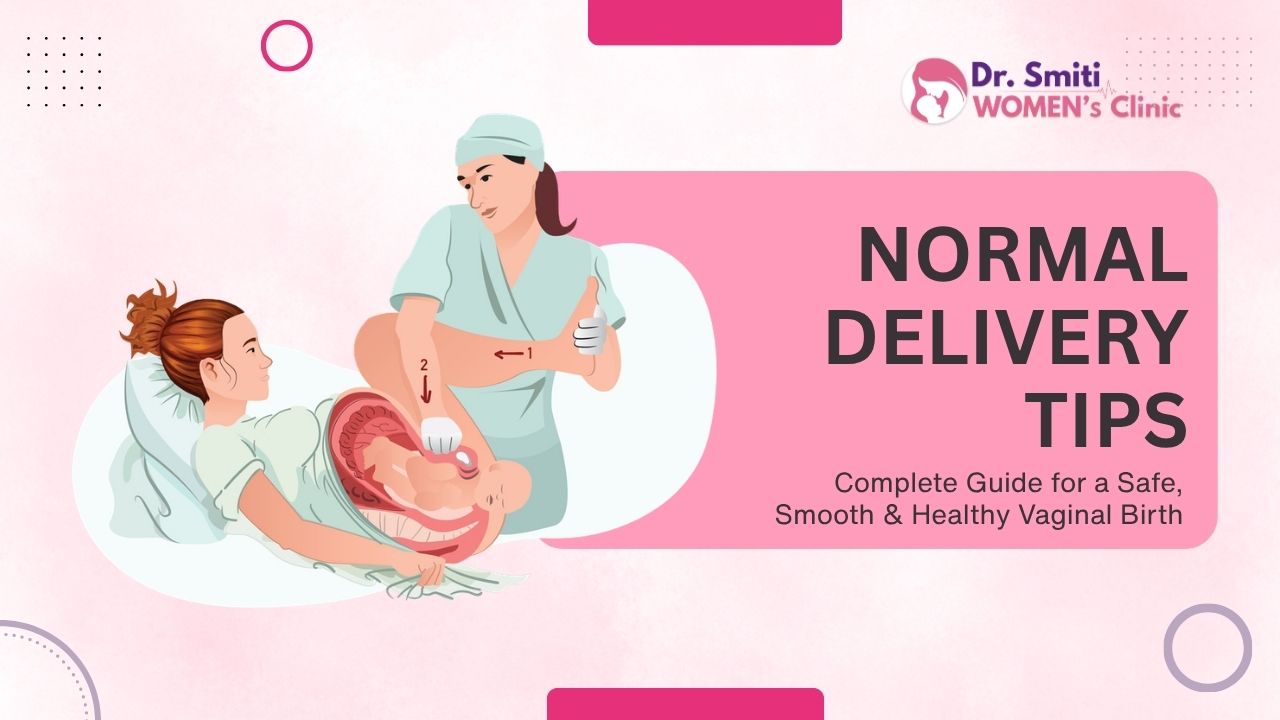
Pregnancy is a life-changing journey filled with excitement, emotions, and many questions — especially when it comes to childbirth. One of the most common concerns for expecting mothers is how to prepare for a normal delivery. While every pregnancy and labor experience is different, the right preparation can significantly improve your chances of having a smooth vaginal birth.
Normal delivery, also called vaginal delivery, is often considered the most natural way to give birth and usually comes with benefits such as faster recovery, lower risk of infection, shorter hospital stays, and quicker bonding with your baby. However, achieving a normal delivery often requires a combination of physical fitness, mental preparation, healthy lifestyle choices, and proper medical guidance.
The good news is that there are several practical and effective steps you can take throughout pregnancy to prepare your body and mind for labor. From staying active and eating nutritious foods to practicing breathing exercises, maintaining pelvic strength, and managing stress — each small effort can make a big difference.
15 Normal Delivery Tips for a Healthy Pregnancy
1. Stay Active Throughout Pregnancy
One of the most important suggestions for normal delivery is to keep your body active during pregnancy unless your doctor has advised bed rest due to medical complications.
Regular physical activity improves blood circulation, strengthens muscles, enhances flexibility, and builds stamina — all of which are essential during labor. Staying active can also help your baby settle into an ideal birthing position and reduce common pregnancy issues like back pain, swelling, and excessive weight gain.
Best activities for pregnant women:
- Daily walking for 30–40 minutes
- Prenatal yoga
- Light stretching
- Swimming (with safety precautions)
- Butterfly exercise
- Pelvic tilts
Benefits:
- Improves pelvic flexibility
- Strengthens leg and back muscles
- Reduces labor complications
- Boosts energy levels
Always choose pregnancy-safe exercises and consult your doctor before beginning any routine.
2. Follow a Nutrient-Rich Balanced Diet
A healthy diet plays a major role in preparing your body for labor and supporting your baby’s growth. Eating the right foods can prevent anemia, control weight gain, improve stamina, and reduce the risk of pregnancy complications.
Include in your diet:
Iron-rich foods:
- Spinach
- Beetroot
- Pomegranate
- Dates
Protein sources:
- Eggs
- Paneer
- Lentils
- Chicken
- Fish
Calcium:
- Milk
- Yogurt
- Cheese
Fiber:
- Fruits
- Vegetables
- Whole grains
Healthy fats:
- Nuts
- Seeds
- Avocado
Avoid:
- Excess sugar
- Processed foods
- Junk food
- Excess caffeine
A balanced diet gives your body the fuel it needs for endurance during labor.
3. Stay Hydrated Every Day
Hydration is often underestimated but is extremely important for a healthy pregnancy and smoother labor.
Water helps maintain amniotic fluid levels, supports circulation, prevents constipation, and keeps your muscles functioning properly during contractions.
Aim for:
8–10 glasses of water daily
You can also include:
- Coconut water
- Lemon water
- Buttermilk
- Fresh fruit juices
Benefits:
- Reduces fatigue
- Prevents dehydration
- Supports healthy blood flow
- Keeps your body energize
4. Practice Breathing Techniques for Labor
Learning proper breathing techniques is one of the best painless normal delivery tips because it helps manage contractions naturally.
Breathing exercises help calm the nervous system, reduce anxiety, and increase oxygen flow to both mother and baby.
Useful techniques:
Deep Breathing:
Inhale slowly through your nose, exhale through your mouth.
Lamaze Breathing:
Patterned breathing for pain control.
Meditation Breathing:
Helps maintain calmness.
Benefits:
- Better pain management
- Reduced fear
- More controlled pushing
- Increased relaxation
Practicing daily during pregnancy can make labor more manageable.
5. Strengthen Pelvic Floor Muscles with Kegel Exercises
Pelvic floor muscles play a vital role during vaginal birth. Strong pelvic muscles support the uterus, bladder, and bowel and help during pushing.
How Kegels help:
- Strengthen pelvic muscles
- Improve bladder control
- Support easier pushing
- Reduce postpartum recovery time
Tip:
Practice tightening and relaxing pelvic muscles several times a day.
6. Try Prenatal Yoga for Flexibility and Mental Calmness
Prenatal yoga combines physical movement with mental relaxation, making it an excellent choice for normal pregnancy delivery tips.
Recommended poses:
- Butterfly pose
- Cat-Cow stretch
- Child’s pose
- Pelvic opening stretches
Benefits:
- Opens hips
- Improves posture
- Reduces stress
- Builds endurance
- Enhances breathing control
Always practice under expert supervision.
7. Attend Childbirth Education Classes
Knowledge reduces fear. Birthing classes prepare you mentally and physically by teaching you about labor stages, pain management, and birthing positions.
You’ll learn:
- What labor feels like
- Breathing methods
- Hospital procedures
- Emergency signs
- Partner support techniques
Women who understand labor often feel more confident and less anxious.
8. Sleep Well and Prioritize Rest
Your body works hard during pregnancy, and proper rest is essential.
Lack of sleep can lead to stress, fatigue, and hormonal imbalance, which may affect labor.
Tips for better sleep:
- Sleep on your left side
- Use pregnancy pillows
- Avoid heavy meals before bedtime
- Reduce screen time
- Keep your room comfortable
Benefits:
- Better energy
- Reduced stress
- Improved immunity
9. Practice Perineal Massage in the Last Few Weeks
Perineal massage, usually from 35–36 weeks, may help improve elasticity of the tissues between the vagina and anus.
Benefits:
- Reduces tearing risk
- May decrease episiotomy chances
- Prepares tissues for childbirth
Always ask your doctor for proper guidance before starting.
10. Maintain Good Posture
Your daily posture can influence your baby’s positioning in the womb.
Good posture habits:
- Sit upright
- Avoid slouching
- Use back support
- Sit on a birthing ball
- Sleep on the left side
Benefits:
- Reduces back pain
- Supports pelvic alignment
- Encourages optimal fetal position
11. Reduce Stress and Stay Mentally Positive
Fear and anxiety can increase tension and may interfere with labor progress.
Effective stress-reducing practices:
- Meditation
- Prayer
- Listening to calming music
- Positive birth affirmations
- Reading positive birth stories
Examples:
- “My body is strong.”
- “I trust my body.”
- “I am prepared.”
A calm mind can make labor smoother.
12. Stay Upright and Mobile During Labor
Movement during early labor can help gravity assist your baby’s descent.
Helpful positions:
- Walking
- Standing
- Squatting
- Sitting on birthing ball
Benefits:
- Better contractions
- Faster labor progress
- Reduced discomfort
13. Avoid Unnecessary Medical Induction
Unless medically necessary, allowing labor to begin naturally may improve your chances of vaginal birth.
Why?
Natural labor often allows your body to progress gradually and efficiently.
Always follow your healthcare provider’s advice.
14. Tips for Normal Delivery in 9th Month
The final month is crucial for preparation.
Focus on:
- Walking daily
- Gentle squats
- Perineal massage
- Deep breathing
- Hospital bag readiness
- Regular checkups
- Monitoring baby movement
Avoid:
- Stress
- Dehydration
- Heavy physical strain
15. Tips for Normal Delivery After Cesarean
If you previously had a C-section, vaginal birth may still be possible depending on your medical history.
Important normal delivery after c section tips:
- Discuss VBAC with your doctor
- Maintain healthy weight
- Exercise safely
- Monitor scar health
- Choose a supportive hospital
Important:
Not every woman is a candidate for VBAC, so medical guidance is essential.
Conclusion
Preparing for a normal delivery is about supporting your body, mind, and baby throughout pregnancy. While there is no guaranteed formula for vaginal birth, healthy habits can significantly improve your chances.
By staying active, eating well, practicing breathing exercises, strengthening pelvic muscles, reducing stress, and staying informed, you can build confidence and prepare your body for labor naturally.
Remember, the ultimate goal is a safe and healthy delivery — whether vaginal or cesarean. Every birth journey is unique, and flexibility is important.


