
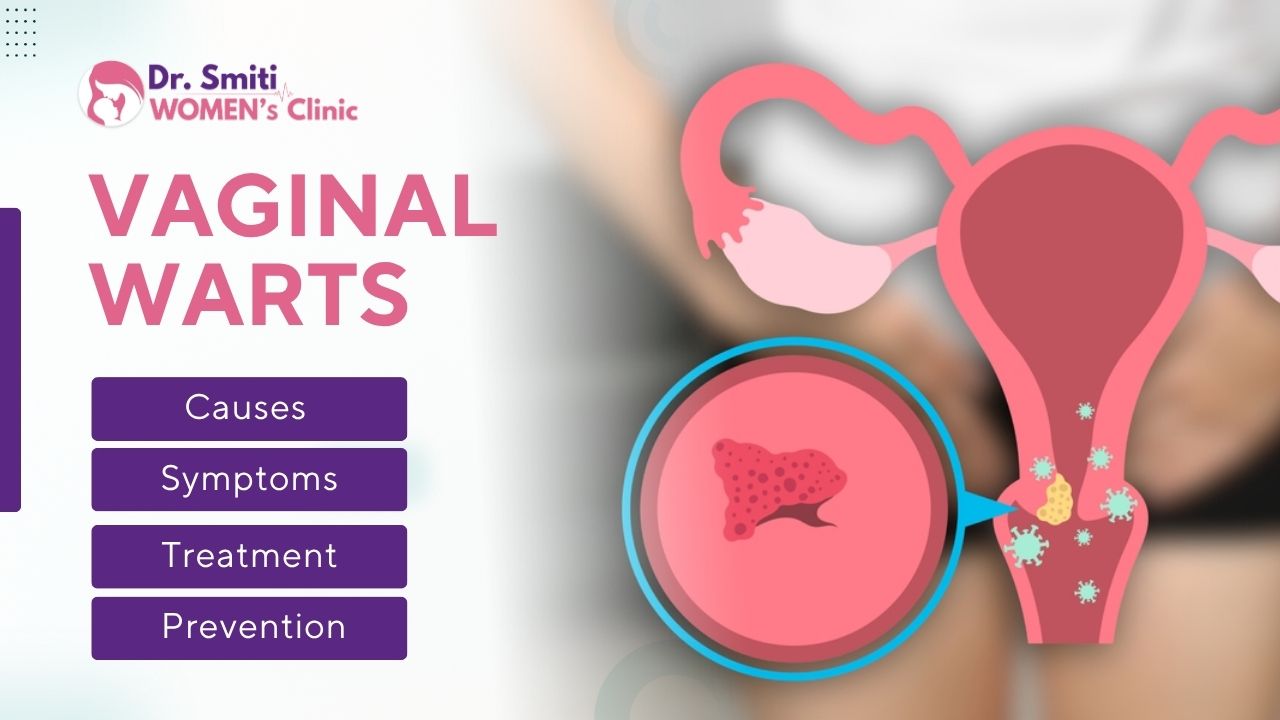
Vaginal warts are small, soft, flesh-colored or grayish growths that appear in and around the genital and anal area. They are caused by certain strains of the Human Papillomavirus (HPV), most commonly type 6 and 11, which are considered low-risk because they do not cause cancer.
These warts are among the most common sexually transmitted infections and spread easily through sexual contact. They can appear as small single bumps or multiple growths grouped together like a cauliflower. While vaginal warts are not usually life-threatening, they can cause discomfort, itching, irritation, and emotional stress. Knowing their causes, symptoms, treatment, and prevention helps in early detection and management.
What are Vaginal Warts?
Vaginal warts are a type of genital wart caused by HPV infection. They usually develop on moist areas of the genital region such as the vulva, inside the vagina, cervix, or around the anus. In some cases, they may also appear on the upper thighs.
These warts may be flat or raised, small or large, and can grow slowly over time. Some women may have visible warts, while others may not notice any external signs at all. Even when symptoms are not visible, the virus can remain active and be transmitted to partners.
Symptoms of Vaginal Warts
Symptoms of vaginal warts can vary depending on the person and stage of infection. Some women may have no symptoms, while others may observe noticeable physical or visible changes.
- Small flesh-colored or gray bumps: These are the first visible signs and may appear singly or in groups.
- Cauliflower-like clusters: Warts often grow in clusters, creating a rough, uneven surface.
- Itching and irritation: The affected area may feel itchy or uncomfortable, especially during movement or sweating.
- Burning sensation or discomfort: Some women may feel mild burning or irritation in the genital area.
- Bleeding during or after intercourse: Warts can become irritated during sexual activity, leading to light bleeding.
- Increased vaginal discharge: In some cases, abnormal discharge may occur due to infection or irritation.
Since symptoms can be very mild or even absent, regular gynecological check-ups are important for early detection.
Causes of Vaginal Warts
Vaginal warts are caused by infection with the Human Papillomavirus (HPV). This virus spreads very easily through intimate skin-to-skin contact.
- Sexual contact (main cause): Vaginal, anal, or oral sex with an infected person spreads HPV.
- Skin-to-skin genital contact: Infection can spread even without penetration or ejaculation.
- Multiple sexual partners: Increases exposure to different HPV strains.
- Unprotected sex: Lack of condom use increases transmission risk.
- Weak immune system: A weak immune system cannot fight the virus effectively.
- History of STIs: Previous infections may increase susceptibility.
- Asymptomatic carriers: A person can spread HPV even without visible warts.
Important: HPV is very common, and many sexually active people are exposed at some point in life.
Treatment Options for Vaginal Warts
There is no permanent cure for HPV itself, but vaginal warts can be treated and removed successfully. Treatment focuses on removing visible warts and reducing symptoms.
1. Topical Medications (Creams & Solutions)
Medicines like imiquimod, podophyllotoxin, or trichloroacetic acid are applied directly to the affected area. These work by boosting the immune system or destroying wart tissue gradually over time. Treatment usually takes several weeks.
2. Cryotherapy (Freezing Treatment)
In this method, liquid nitrogen is used to freeze the wart. The frozen tissue dies and eventually falls off. Multiple sessions may be required depending on the size and number of warts. It is a commonly used and effective treatment.
3. Laser Treatment
A focused laser beam is used to destroy wart tissue. This method is usually recommended for large, stubborn, or recurring warts. It is precise and minimizes damage to surrounding skin.
4. Electrocautery (Burning Method)
An electric current is used to burn and remove warts. It is a quick procedure and is effective for isolated or resistant warts.
5. Surgical Removal
For larger or severe cases, warts may be surgically cut out using medical instruments. This method is usually performed under local anesthesia and provides immediate removal.
Important: Treatment removes visible warts but does not eliminate HPV completely from the body, so recurrence is possible.
Prevention of Vaginal Warts
Prevention plays a very important role in reducing the risk of HPV infection and vaginal warts.
- Get the HPV vaccine to protect against common wart-causing HPV strains.
- Use condoms during intercourse to lower the chance of HPV spread.
- Keep the number of sexual partners limited to reduce risk.
- Do not have unprotected sex with unknown or high-risk partners.
- Keep the genital area clean to prevent infections.
- Visit a gynecologist regularly for early diagnosis.
- Avoid sexual contact during active HPV or wart infection.
- Strengthen immunity with a healthy diet rich in vitamins and minerals.
- Quit smoking, as it weakens immunity and increases HPV risk.
- Practice safe and informed sexual habits with mutual partner awareness.
- Educate yourself and partner about HPV and STI prevention.
- Treat any existing STIs promptly to prevent further complications.
Conclusion
Vaginal warts are a common sexually transmitted infection caused by HPV and can affect women who are sexually active. They are not serious but may lead to discomfort and stress if untreated.
The good part is that vaginal warts can be treated and removed with modern methods, but the virus can stay in the body, so they may come back.
That’s why prevention through HPV vaccination, safe sexual practices, and regular health check-ups is extremely important. With proper awareness, timely treatment, and healthy habits, vaginal warts can be managed successfully, helping women maintain better reproductive and sexual health.


