
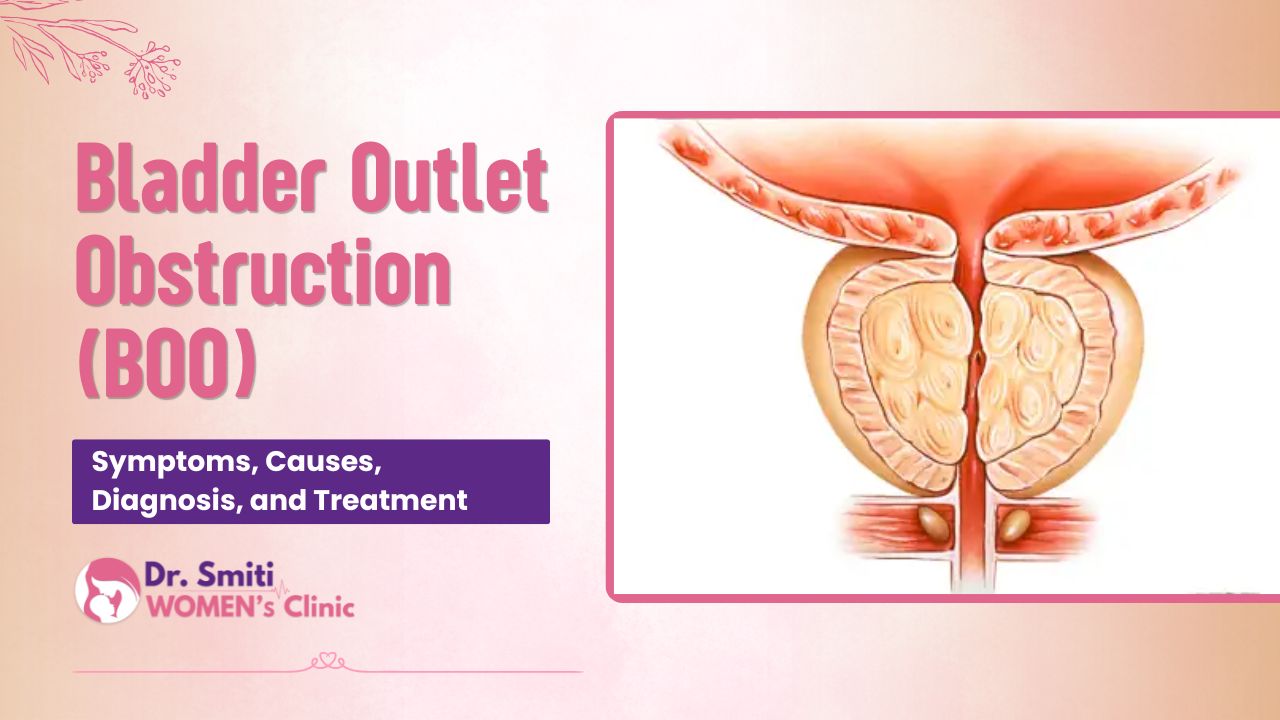
Bladder Outlet Obstruction (BOO) is a serious urinary condition that occurs when there is a blockage or narrowing at the base of the bladder or along the urethra, making it difficult for urine to flow normally out of the body. This blockage can reduce, slow, or completely stop urine flow, leading to discomfort, urinary retention, bladder damage, and even kidney complications if left untreated.
Many people ignore symptoms such as weak urine stream, difficulty urinating, or frequent bathroom visits, assuming they are temporary or age-related. However, bladder outlet obstruction should never be ignored, as early diagnosis and proper treatment can prevent serious long-term health problems.
This guide explains everything you need to know about bladder outlet obstruction symptoms, causes, diagnosis, treatment options, and prevention.
What Is Bladder Outlet Obstruction (BOO)?
Bladder outlet obstruction refers to a blockage at the neck of the bladder, where the bladder connects to the urethra — the tube responsible for carrying urine out of the body.
When this pathway becomes blocked or narrowed, urine cannot flow properly, causing pressure inside the bladder. Over time, this pressure can weaken the bladder muscles, increase urinary symptoms, and potentially damage the kidneys.
BOO can affect both men and women, although it is more commonly seen in men due to prostate-related conditions. In women, pelvic organ prolapse and previous pelvic surgeries may contribute to obstruction.
How Does the Bladder Normally Work?
To understand BOO, it helps to know how the urinary system normally functions:
• The kidneys produce urine
• Urine travels to the bladder
• The bladder stores urine
• When urinating, bladder muscles contract while the bladder outlet opens
• Urine flows out through the urethra
In bladder outlet obstruction, this outflow pathway becomes blocked, making urination difficult or incomplete.
Symptoms of Bladder Outlet Obstruction
Symptoms may develop gradually or suddenly depending on the cause and severity of the blockage.
Most common BOO symptoms include:
1. Difficulty Starting Urination (Urinary Hesitancy)
You may feel the urge to urinate but struggle to begin the flow.
2. Weak Urine Stream
Urine flow may be slow, weak, or dribbling.
3. Interrupted Urine Stream
The urine stream may start and stop unexpectedly.
4. Frequent Urination
You may need to urinate more often than normal, including multiple times during the night (nocturia).
5. Urgency
A sudden, strong need to urinate.
6. Incomplete Bladder Emptying
You may feel like your bladder is still full even after urinating.
7. Straining to Urinate
Some people need to push or strain to empty the bladder.
8. Painful Urination (Dysuria)
Urination may be uncomfortable or painful.
9. Lower Abdominal Pain or Pressure
A blocked bladder can create discomfort in the pelvic or lower abdominal area.
10. Urinary Retention
In severe cases, you may be unable to urinate at all, which is a medical emergency.
Causes of Bladder Outlet Obstruction
Bladder outlet obstruction can result from structural, functional, or neurological problems.
Common Causes in Men
Enlarged Prostate (Benign Prostatic Hyperplasia – BPH)
This is the most common cause of BOO in aging men. As the prostate enlarges, it compresses the urethra.
Prostate Cancer
Tumors can obstruct urine flow.
Urethral Stricture
Scar tissue or narrowing of the urethra caused by injury, surgery, or infection.
Bladder Stones
Large stones can physically block the bladder outlet.
Common Causes in Women
Pelvic Organ Prolapse
When the bladder, uterus, or pelvic organs drop into the vaginal area, they can compress the urinary tract.
Previous Incontinence Surgery
Certain anti-incontinence procedures may create narrowing.
Pelvic Tumors
Masses in the pelvic region may obstruct urine flow.
Other Causes in Both Men and Women
• Severe constipation
• Bladder tumors
• Neurological disorders
• Congenital urinary tract abnormalities
• Foreign objects in the urinary tract
• Urethral spasms
How Is Bladder Outlet Obstruction Diagnosed?
Diagnosing Bladder Outlet Obstruction (BOO) properly is extremely important because treatment depends on identifying the exact cause of the blockage. Since BOO can result from prostate enlargement, urethral stricture, bladder stones, pelvic organ prolapse, tumors, nerve disorders, or other urinary problems, a detailed evaluation helps doctors understand what is slowing or blocking urine flow.
1. Medical History and Symptom Review
The first step in diagnosis is understanding your symptoms, lifestyle, and medical background.
Your doctor may ask questions such as:
• Do you have difficulty starting urination?
• Is your urine stream weak or interrupted?
• Do you feel your bladder is not emptying completely?
• How many times do you pass urine during the day and at night?
• Do you feel pain, urgency, or pressure?
• Have you had previous urinary infections, surgeries, or kidney issues?
• Are you taking medications that may affect bladder function?
This discussion helps identify patterns and possible causes while also ruling out other urinary conditions.
2. Physical Examination
A physical examination helps detect structural or physical abnormalities contributing to obstruction.
This may include:
Abdominal Examination
The lower abdomen may be checked for bladder swelling or urinary retention.
Pelvic Examination (in women)
This can identify pelvic organ prolapse, cystocele, or masses pressing on the bladder.
Prostate Examination (in men)
A digital rectal examination (DRE) may help evaluate prostate enlargement or irregularities.
Neurological Assessment
If nerve-related bladder dysfunction is suspected, muscle and reflex function may also be assessed.
3. Urinalysis (Urine Test)
A urine sample is commonly tested to look for signs of urinary or kidney issues.
Urinalysis can help detect:
• Urinary tract infection (UTI)
• Blood in urine (hematuria)
• Protein leakage
• Kidney-related concerns
• Bladder irritation
This test is simple but very useful in identifying infections or hidden urinary tract issues.
4. Blood Tests
Blood tests may be recommended to check kidney function and overall urinary health.
Common blood tests include:
Kidney Function Tests
• Creatinine
• Blood Urea Nitrogen (BUN)
These help determine whether BOO has started affecting the kidneys.
PSA Test (for men)
In some cases, prostate-specific antigen (PSA) may be used to evaluate prostate conditions.
5. Ultrasound Imaging
Ultrasound is a non-invasive imaging test that provides valuable information about the urinary system.
Ultrasound can help detect:
• Enlarged prostate
• Bladder stones
• Retained urine after urination
• Bladder wall thickening
• Kidney swelling (hydronephrosis)
• Tumors or pelvic masses
This test helps locate where the blockage may be occurring.
6. Post-Void Residual (PVR) Test
This test checks the amount of urine left in the bladder after you urinate.
Why it matters:
If too much urine remains after peeing, it may suggest bladder outlet obstruction or poor bladder muscle function.
How it is done:
• Bladder ultrasound
or
• Catheter measurement
High residual urine levels may increase the risk of infection and bladder damage.
7. Uroflowmetry (Urine Flow Test)
Uroflowmetry measures the speed, volume, and pattern of urine flow.
This test helps determine:
• Weak flow
• Interrupted stream
• Slow urination
• Obstruction severity
A reduced flow rate may strongly suggest BOO.
8. Cystoscopy
Cystoscopy involves inserting a thin tube with a small camera through the urethra to directly examine the urinary tract.
It helps identify:
• Urethral strictures
• Bladder neck narrowing
• Bladder stones
• Tumors
• Scar tissue
• Structural abnormalities
This test provides direct visualization of the blockage.
9. Urodynamic Testing
Urodynamic studies assess how well the bladder and urethra store and release urine.
These tests measure:
• Bladder pressure
• Bladder capacity
• Muscle strength
• Sphincter coordination
• Urine flow pressure
This is especially useful when symptoms are complex or when nerve-related causes are suspected.
Treatment for Bladder Outlet Obstruction
Treatment for BOO depends on:
• The exact cause of the obstruction
• Severity of symptoms
• Age and gender
• Presence of complications
• Kidney or bladder damage
The goal is to restore urine flow, relieve symptoms, protect bladder and kidney function, and prevent recurrence.
Non-Surgical Treatments for Bladder Outlet Obstruction
For mild to moderate cases, treatment may begin with medications or supportive therapies.
Medications
Alpha-Blockers
These medicines relax the muscles of the bladder neck and prostate, improving urine flow.
Common benefits:
• Easier urination
• Reduced hesitancy
• Better bladder emptying
• Improved urine stream
5-Alpha Reductase Inhibitors
These medications are commonly used in men with enlarged prostate.
How they help:
• Gradually shrink prostate size
• Reduce pressure on the urethra
• Lower long-term obstruction risk
Anticholinergics
These may help selected patients who also have bladder spasms or urgency symptoms.
Catheterization
When the bladder cannot empty properly, immediate drainage may be necessary.
Foley Catheter
A flexible tube is inserted into the bladder to continuously drain urine.
Used for:
• Acute urinary retention
• Severe blockage
• Temporary relief before surgery
Self-Catheterization
Some patients may learn intermittent self-catheterization for ongoing bladder management.
Benefits:
• Reduces bladder pressure
• Prevents urine retention
• Can improve comfort
Pelvic Floor Therapy
Pelvic floor rehabilitation may be helpful in certain women with pelvic organ prolapse or muscle dysfunction.
This may include:
• Pelvic floor exercises
• Bladder training
• Pessary devices
• Physical therapy
Surgical Treatments for Bladder Outlet Obstruction
When obstruction is severe, persistent, or caused by structural blockage, surgery may be the most effective option.
TURP (Transurethral Resection of the Prostate)
A common procedure for enlarged prostate.
How it works:
The blocked prostate tissue causing difficulty in urine passage is removed via the urethra.
Benefits:
• Stronger urine stream
• Better bladder emptying
• Reduced urinary retention
Urethroplasty
This surgery repairs narrowed or scarred sections of the urethra.
Best for:
• Urethral strictures
• Scar tissue obstruction
Bladder Stone Removal
Bladder stones may be removed using:
• Laser lithotripsy
• Endoscopic removal
• Minimally invasive surgery
Pelvic Organ Prolapse Repair
For women with bladder or pelvic organ prolapse, surgery can reposition and support pelvic structures.
Bladder Neck Incision
This procedure widens the bladder outlet by cutting narrowed tissue.
Conclusion
Bladder Outlet Obstruction (BOO) is a potentially serious condition that can affect bladder health, kidney function, and quality of life. Never ignore symptoms such as poor urine flow, hesitation while urinating, repeated urination, or pressure in the bladder.
The good news is that with proper diagnosis, timely treatment, medications, lifestyle changes, and advanced surgical options when needed, most people can find significant relief and prevent long-term complications.
If you are experiencing symptoms of bladder outlet obstruction, seeking early medical evaluation can help restore healthy urinary function and protect your long-term health.


