
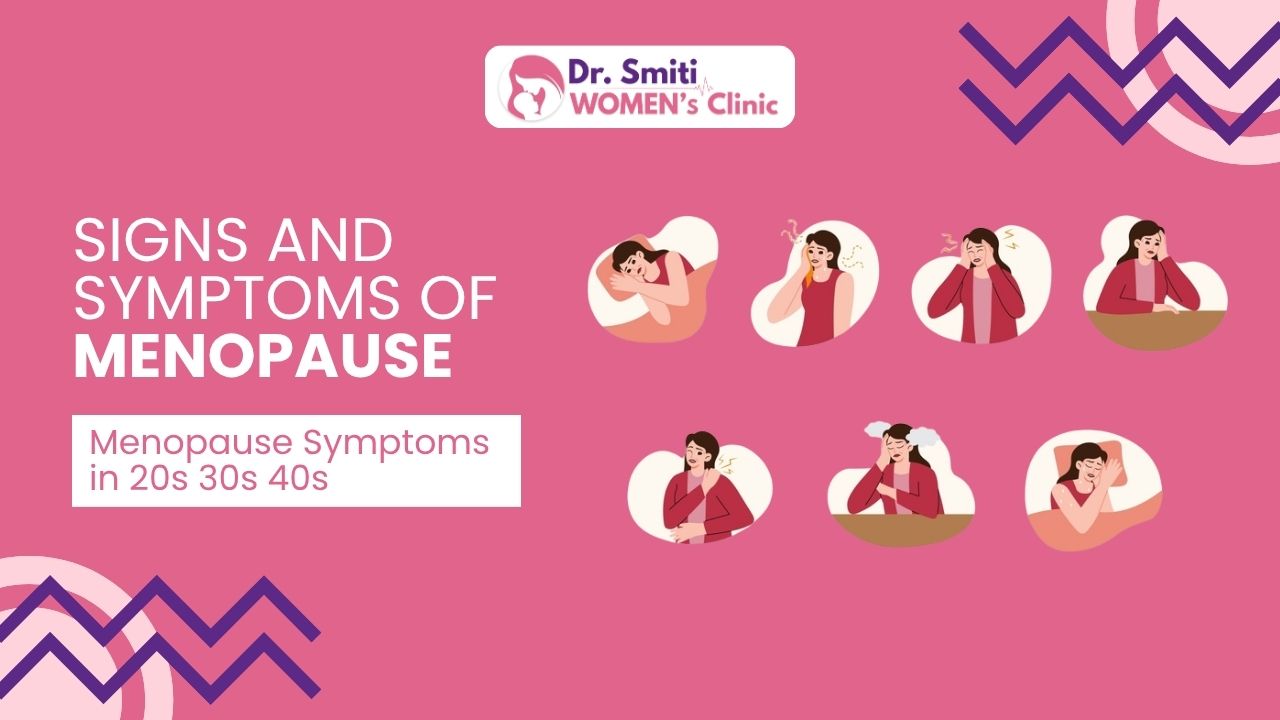
Menopause is a natural biological phase in a woman’s life, officially diagnosed when she has gone 12 consecutive months without a menstrual period. The average age typically falls between 45 and 51 years, but the transition doesn’t happen overnight. Instead, the body goes through a gradual hormonal shift known as perimenopause, which can begin as early as the mid-30s and bring noticeable physical and emotional changes over time.
The age at which menopause begins plays a crucial role in how symptoms appear and progress. While most women experience a slow and steady transition in their 40s, some may face early or premature menopause before the age of 40 due to factors such as medical conditions, genetics, or certain treatments.
Menopause can start earlier than expected—even in the 20s or 30s in rare situations—it’s important to understand how these changes develop across different stages of life. Recognizing the signs and symptoms early not only helps in timely diagnosis but also allows better management of health, reducing long-term risks and improving overall quality of life.
Menopause Symptoms in 20s (Premature Menopause)
Menopause in the 20s is rare and usually linked to conditions like premature ovarian insufficiency, genetics, or medical treatments. Symptoms at this stage are often sudden and more intense.
- Irregular or missed periods – Menstrual cycles may become unpredictable or stop completely due to a sharp decline in hormone production.
- Infertility or difficulty conceiving – Ovaries may stop releasing eggs regularly, making pregnancy difficult at an early age.
- Hot flashes – Sudden waves of heat, especially in the upper body, caused by hormonal imbalance affecting temperature regulation.
- Night sweats – Excessive sweating during sleep that can disturb rest and cause fatigue.
- Vaginal dryness and painful intercourse – Reduced estrogen leads to less lubrication, causing discomfort during intimacy.
- Mood swings, anxiety, or depression – Emotional instability occurs due to hormonal fluctuations affecting brain chemicals.
- Brain fog and memory issues – Difficulty focusing, forgetfulness, and mental fatigue are common cognitive effects.
- Low libido – Reduced sexual desire caused by both hormonal changes and physical discomfort.
- Fatigue and low energy – Continuous tiredness linked to hormonal imbalance and disturbed sleep.
- Sleep disturbances – Difficulty in falling asleep or maintaining sleep, often related to anxiety and night sweats.
Menopause Symptoms in 30s (Early Transition / Early Perimenopause)
Menopause in the 30s is uncommon but possible. These symptoms develop slowly and are often mistaken for stress or lifestyle-related problems.
- Unpredictable menstrual cycles – Periods may arrive early, late, or be missed due to hormonal fluctuations.
- Early fertility decline – Reduced egg quality and irregular ovulation lower the chances of conception.
- Mild hot flashes – Less intense than later stages but still noticeable and uncomfortable.
- Emotional instability and irritability – Increased sensitivity, mood changes, and low motivation levels.
- Reduced energy and chronic fatigue – Ongoing tiredness even without heavy physical activity.
- Difficulty concentrating (brain fog) – Trouble focusing on tasks and decreased mental clarity.
- Decreased sexual desire – Reduced interest in sexual activity caused by hormonal and emotional factors.
- Sleep problems – Light sleep, frequent waking, or insomnia due to hormonal shifts.
- Early weight gain (especially abdominal) – Slower metabolism leads to fat accumulation around the belly.
- Skin dryness and hair thinning – Reduced estrogen affects skin hydration and hair strength.
Menopause Symptoms in 40s (Active Perimenopause to Menopause Phase)
This is the most common stage where menopause symptoms become more noticeable, frequent, and intense.
- Highly irregular or stopping periods – Cycles may become very erratic before stopping completely.
- Intense and frequent hot flashes – Sudden heat episodes that occur more often and last longer.
- Night sweats affecting sleep quality – Severe sweating episodes that disrupt deep sleep cycles.
- Mood changes and emotional sensitivity – Increased risk of anxiety, irritability, and depression.
- Vaginal dryness and urinary issues – Tissue thinning can lead to discomfort and frequent urination.
- Weight gain and slowed metabolism – Hormonal decline makes weight management more difficult.
- Reduced fertility – Ovulation becomes rare, significantly lowering chances of pregnancy.
- Memory lapses and concentration issues – Noticeable forgetfulness and reduced mental sharpness.
- Hair thinning and dry skin – Visible changes in appearance due to lower collagen and estrogen.
- Joint pain and body aches – Decreased estrogen impacts joint lubrication, leading to discomfort.
- Headaches – Hormonal fluctuations can trigger frequent headaches or migraines.
Conclusion
Menopause is a natural yet complex phase that affects women differently based on age and overall health. While symptoms may begin as early as the 20s or 30s in rare cases, they typically become more noticeable and intense during the 40s. Changes such as irregular periods, hot flashes, fatigue, mood swings, and reduced concentration are all signs of shifting hormone levels.
Recognizing these symptoms early is essential for better management and long-term well-being. Timely awareness allows women to make informed lifestyle choices, seek medical advice when needed, and reduce potential health risks.
Menopause marks not just the end of fertility but the beginning of a new phase. With proper care and awareness, women can handle symptoms and lead a healthy, confident life.


