
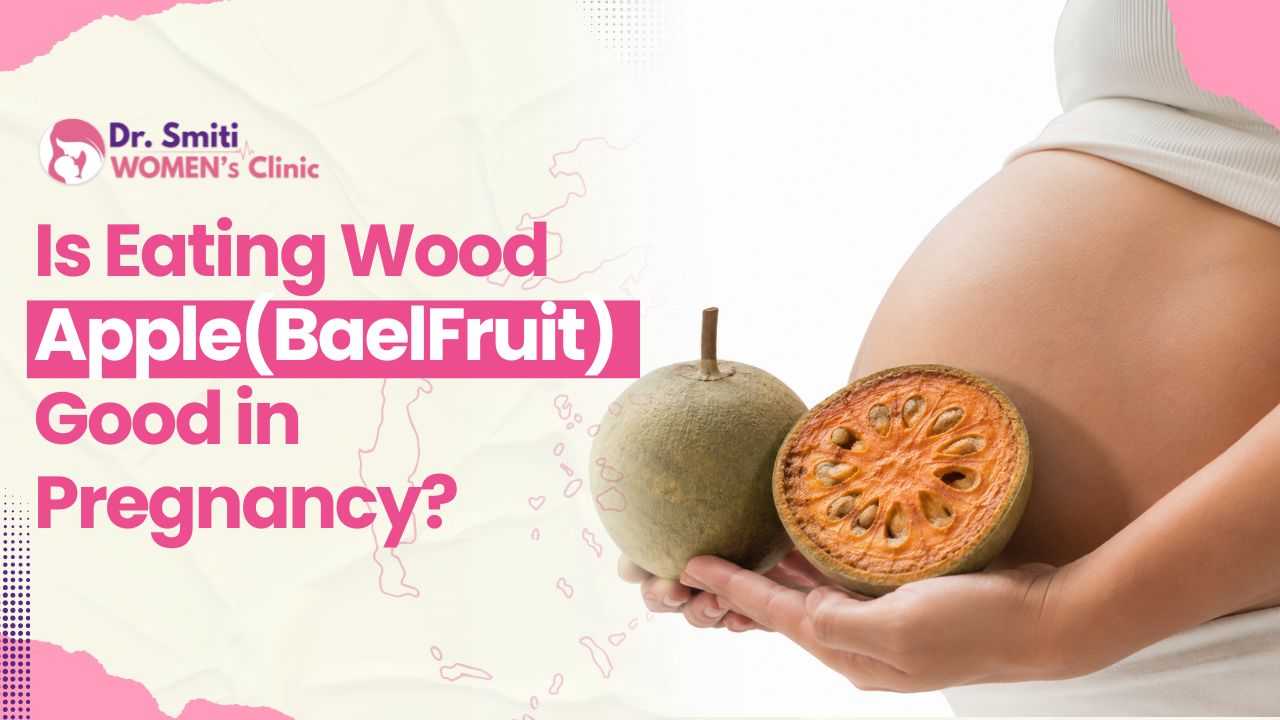
Pregnancy is a stage where every food decision is important. From fruits and vegetables to traditional remedies, expecting mothers often wonder what is truly safe and beneficial for their growing baby. One fruit that often leads to questions is wood apple, also known as Bael fruit (Aegle marmelos).
Wood apple has been used in also Ayurveda for centuries due to its digestive, cooling, and immunity-boosting properties. But is eating wood apple during pregnancy safe? Can it really help with constipation, nausea, and hydration? Or are there risks involved?
The reassuring news is that ripe wood apple (Bael fruit) is generally viewed as safe during pregnancy when consumed in moderation. It can offer several health benefits, including improved digestion, relief from constipation, reduced morning sickness, and essential nutrients for both mother and baby. However, like many foods during pregnancy, excess consumption may lead to side effects.
In this detailed guide, we will explore everything you need to know about eating wood apple during pregnancy, including nutritional facts, benefits, possible side effects, precautions,
What Is Wood Apple (Bael Fruit)?
Wood apple, commonly referred to as Bael fruit (Aegle marmelos), is a native tropical fruit. It is greatly valued in Ayurveda and traditional medicine for its medicinal and nutritional qualities. The fruit has a hard outer shell with soft, aromatic pulp inside that can be eaten fresh or used in juices, sherbets, and herbal remedies. Bael fruit is rich in fiber, vitamins A, B, and C, potassium, calcium, iron, and antioxidants, making it a nutritious fruit for overall health. Its cooling nature and digestive benefits make it especially popular during warm weather and for managing common digestive issues such as constipation and indigestion.
Is Bael Fruit Safe During Pregnancy?
Yes, ripe Bael fruit is generally believed to be safe during pregnancy when eaten in moderate amounts. It can help relieve common pregnancy discomforts such as constipation, indigestion, nausea, and dehydration due to its high fiber and nutrient content. Bael fruit also supplies essential vitamins and minerals that help support both maternal wellbeing and fetal development. However, excessive consumption may cause bloating, gas, or digestive discomfort. Pregnant women with conditions like gestational diabetes or sensitive digestion should consult their healthcare provider before adding wood apple regularly to their diet. Choosing ripe fruit and consuming limited amounts is considered the safest option.
Safety Considerations for Different Trimesters
First Trimester (Weeks 1–12)
During the first trimester, wood apple (Bael fruit) is generally regarded as safe when consumed in moderation. This stage of pregnancy often brings symptoms like nausea, vomiting, and morning sickness, and Bael fruit’s refreshing nature may help soothe these discomforts. Its fiber content can also support digestion and help relieve early pregnancy constipation, which is a common concern due to hormonal changes.
Second Trimester (Weeks 13–27)
During the second trimester, Bael fruit can still be a healthy part of the pregnancy diet if eaten in moderation. It provides important nutrients such as calcium and iron, which are essential for the mother’s health and the baby’s growing bones and blood supply. The fruit’s nutritional profile may help support fetal bone development while also aiding digestion as the baby grows.
Third Trimester (Weeks 28–40)
During the third trimester, wood apples may offer natural energy and continued digestive support. Constipation often becomes more common in late pregnancy, and the fruit’s fiber can be especially beneficial. However, because Bael fruit contains natural sugars, portion control becomes important, particularly for women monitoring blood sugar levels or managing gestational diabetes. Eating it in balanced amounts can help provide benefits without unnecessary sugar overload.
Top Health Benefits of Eating Wood Apple During Pregnancy
1. Helps Relieve Constipation
Constipation is one of the most common discomforts during pregnancy, often caused by hormonal changes, slower digestion, and iron supplements. Wood apple (Bael fruit) is rich in dietary fiber, which can naturally support digestive regularity. Its fiber content helps promote smooth bowel movements, softens stool, and supports overall gut health. This makes wood apple a helpful natural option for relieving pregnancy-related constipation without relying heavily on artificial remedies.
2. Improves Digestion
As pregnancy progresses and the uterus expands, digestion can become slower, leading to bloating, heaviness, and indigestion. Wood apple is traditionally known for its digestive-supporting properties. It may help improve gut health, reduce bloating, soothe the stomach, and ease indigestion. Its mild digestive benefits can be particularly useful during the second and third trimesters when digestive discomfort often increases.
3. May Reduce Morning Sickness
Morning sickness, nausea, and vomiting are especially common during the first trimester. Wood apple juice or ripe pulp may provide a refreshing effect that helps calm the stomach and reduce nausea. Its cooling properties may also help soothe pregnancy discomfort, while its natural taste can improve appetite in women struggling with food aversions.
4. Supports Hydration
Proper hydration is essential during pregnancy, as dehydration can worsen fatigue, headaches, and constipation. Wood apple juice can help replenish fluids, reduce excessive thirst, and provide natural energy. This can be especially beneficial during hot weather or for women who find plain water difficult to consume during nausea.
5. Provides Essential Nutrients for Baby’s Growth
Wood apple contains important nutrients that support both maternal health and fetal development. Iron supports red blood cell production and may help reduce the risk of anemia, calcium supports fetal bone and teeth development, potassium supports muscle and nerve function, and vitamins contribute to immune health. These nutrients can make wood apple a supportive addition to a balanced pregnancy diet.
6. Boosts Immunity
Pregnancy can slightly weaken the immune system, making women more vulnerable to infections. Wood apple contains antioxidants and vitamin C, which may help strengthen immune defense, reduce oxidative stress, and support the body’s ability to fight common infections.
7. May Help Prevent Muscle Cramps
Leg cramps are a common complaint during pregnancy, often linked to electrolyte imbalance. The potassium content in wood apple may help maintain healthy fluid and electrolyte balance, which can support muscle function and potentially reduce pregnancy-related cramps.
Additional Health Benefits of Bael Fruit During Pregnancy
Iron and Anemia Prevention
Pregnancy increases blood volume, which can raise the risk of iron deficiency anemia. Wood apple contains natural iron, and its vitamin C content may help improve iron absorption, supporting better energy levels and maternal health.
Blood Pressure Regulation
Potassium in wood apple may help support healthy blood pressure levels, promote fluid balance, and support cardiovascular health during pregnancy.
Calcium for Bone Development
Calcium is essential for the baby’s developing bones and teeth while also protecting maternal bone health. Wood apple can contribute to overall calcium intake as part of a varied diet.
Natural Energy Source
Wood apple provides natural sugars that can offer quick energy without processed additives, making it a healthier option than sugary snacks when consumed in moderation.
Possible Side Effects of Eating Too Much Wood Apple During Pregnancy
Although wood apple offers many benefits, excessive intake may cause unwanted side effects.
1. Gas and Bloating
Too much fiber may lead to:
- Flatulence
- Bloating
- Stomach discomfort


