
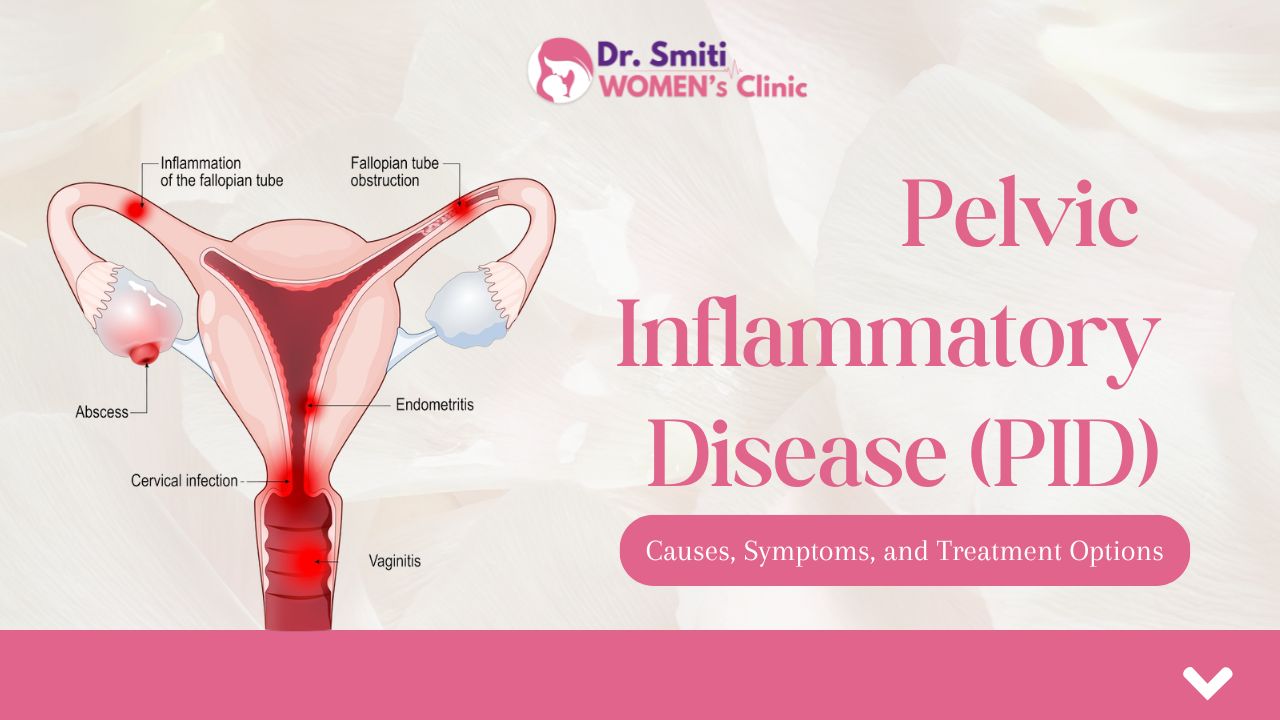
Pelvic Inflammatory Disease (PID) is a frequent but serious infection that affects the female reproductive organs and may cause long-term health problems if not treated promptly. Many women may experience mild symptoms or sometimes no symptoms at all, which makes awareness and timely medical attention extremely important. PID can impact reproductive health, fertility, and overall well-being, especially in women of reproductive age. Learning about the causes, symptoms, and treatment methods can support early diagnosis and proper management of the condition.
What is Pelvic Inflammatory Disease (PID)?
Pelvic Inflammatory Disease (PID) is an infection and swelling of the upper female reproductive organs, including the uterus, fallopian tubes, ovaries, and nearby pelvic tissues. The condition develops when bacteria move upward from the vagina or cervix into the reproductive tract, causing infection and inflammation.
PID is considered a significant gynecological condition because it can affect the normal functioning of the reproductive organs and may lead to serious health complications if left untreated. In certain cases, the infection may be mild and hard to detect, while in others it may become severe and need urgent medical care. Early diagnosis and proper treatment are important to protect reproductive health and prevent long-term damage.
Causes of Pelvic Inflammatory Disease (PID)
- Sexually Transmitted Infections (STIs):
Sexually Transmitted Infections (STIs): The most common causes of PID include untreated sexually transmitted infections such as chlamydia and gonorrhea. These infections can spread during unprotected sexual contact and are responsible for the majority of PID cases. - Bacterial Vaginosis and Other Bacteria:
Sometimes, bacteria that are normally present in the vagina can grow excessively and travel into the reproductive organs, leading to infection and inflammation. - After Childbirth, Miscarriage, or Abortion:
Certain medical conditions or events that open the cervix may increase the risk of bacteria entering the reproductive tract. - Gynecological Procedures:
Procedures such as insertion of an intrauterine device (IUD), hysteroscopy, dilation and curettage (D&C), or pelvic surgeries may slightly increase the risk of PID in some cases.
Risk Factors for PID
Certain factors can increase the chances of developing PID, including:
- Having multiple sexual partners
- Having unprotected sex
- Previous history of PID or STIs
- Smoking
- Douching, which can disturb the natural balance of vaginal bacteria
- Being sexually active at a young age
Symptoms of Pelvic Inflammatory Disease (PID)
The symptoms of Pelvic Inflammatory Disease (PID) can range from mild to severe. In some women, symptoms may be very subtle or completely absent, making the condition difficult to detect in its early stages.
Common Symptoms of PID
- Lower abdominal or pelvic pain
- Unusual or foul-smelling vaginal discharge
- Pain during sexual intercourse
- Painful or burning urination
- Irregular menstrual bleeding or spotting between periods
- Heavy or painful periods
- Fever and chills
- Nausea or vomiting
- Fatigue or weakness
Some women may notice that the symptoms develop gradually over time, while others may experience sudden and severe discomfort. Since PID symptoms can resemble other gynecological or urinary conditions, medical evaluation is important for accurate diagnosis and timely treatment.
Diagnosis of Pelvic Inflammatory Disease (PID)
Diagnosing Pelvic Inflammatory Disease (PID) can sometimes be challenging because its symptoms often resemble other gynecological or urinary conditions. There is no single test that can confirm PID, so healthcare providers usually diagnose the condition through a combination of medical history, physical examination, and laboratory tests.
Medical History and Physical Examination
The doctor may ask about symptoms, sexual history, menstrual cycle, previous infections, and overall reproductive health. A pelvic examination is commonly performed to check for tenderness, pain, abnormal discharge, swelling, or signs of infection in the reproductive organs.
Laboratory Tests
Several tests may be recommended to identify the infection and rule out other conditions, including:
- Blood tests to detect signs of infection or inflammation
- Urine tests to rule out urinary tract infections
- Vaginal or cervical swabs to check for sexually transmitted infections such as chlamydia and gonorrhea
Imaging Tests
Imaging tests may be used in more severe or unclear cases to examine the reproductive organs more closely. These can include:
- Pelvic Ultrasound: Helps detect inflammation, abscesses, or damage in the reproductive organs
- Transvaginal Ultrasound: Provides more detailed images of the uterus, fallopian tubes, and ovaries
Additional Diagnostic Procedures
In some situations, doctors may recommend advanced procedures such as:
- Laparoscopy: A small surgical procedure in which a thin camera is inserted through a tiny cut in the abdomen to directly inspect the pelvic organs.
- Endometrial Biopsy: A small sample of tissue from the uterus may be collected for additional examination if required.
Early detection of PID is essential to avoid long-term complications such as infertility, chronic pelvic pain, and ectopic pregnancy.
Treatment of Pelvic Inflammatory Disease (PID)
Pelvic Inflammatory Disease (PID) is commonly treated with antibiotics to remove the infection and prevent complications. Early treatment is important to lower the risk of lasting damage to the reproductive organs.
Antibiotic Treatment
Doctors typically prescribe a combination of antibiotics because PID can be caused by different types of bacteria. Treatment generally continues for around 10 to 14 days, and completing the entire course of medicine is important even if symptoms improve sooner.
Treatment of Sexual Partners
If PID is linked to a sexually transmitted infection (STI), sexual partners may also need testing and treatment to prevent reinfection.
Avoiding Sexual Activity
Patients are usually advised to avoid sexual activity until treatment is finished and symptoms have completely disappeared.
Hospitalization for Severe Cases
Hospital care may be required in severe situations, especially if:
- The infection is severe or spreading
- High fever, vomiting, or severe pain is present
- An abscess has developed in the reproductive organs
- The patient is pregnant
- Oral antibiotics are not effective
In such situations, intravenous (IV) antibiotics may be required.
Surgical Treatment
In rare cases, surgery may be needed to drain abscesses or treat severe complications caused by PID.
Follow-Up Care
Regular follow-up appointments may be advised to confirm that the infection has fully cleared and to monitor reproductive health. Early and proper treatment significantly lowers the risk of long-term complications and helps protect fertility.
Conclusion
Pelvic Inflammatory Disease (PID) is a serious yet treatable condition that can significantly affect a woman’s reproductive health if left untreated. Because the symptoms can sometimes be mild or unnoticed, early awareness, regular health check-ups, and timely medical attention are essential for preventing complications. Understanding the causes, recognizing the warning signs, and seeking prompt diagnosis and treatment can help reduce the risk of infertility, chronic pelvic pain, and other long-term health issues. With proper care, medication, and preventive measures, most women can recover successfully and protect their overall reproductive well-being.


