Severe period pain is often considered normal, leaving many women to believe they simply have to tolerate it. However, when menstrual cramps become unbearable, interfere with daily activities, cause pain during sex or bowel movements, or make it difficult to conceive, they may be signs of endometriosis—a chronic gynecological condition that affects millions of women worldwide.
Endometriosis can cause more than painful periods. It may lead to chronic pelvic pain, heavy or irregular bleeding, painful intercourse, bowel or bladder symptoms, ovarian cysts and fertility problems. The symptoms can vary significantly from one woman to another, and some women may have endometriosis with little or no pain.
The good news is that endometriosis can be diagnosed and managed. Depending on your symptoms, the extent of the disease and your pregnancy plans, treatment may include pain-relieving medicines, hormonal therapy, laparoscopic surgery or fertility treatment.
In this guide, we explain what endometriosis is, what causes it, its common symptoms, how it is diagnosed, available treatment options and how it can affect fertility.
What Is Endometriosis?
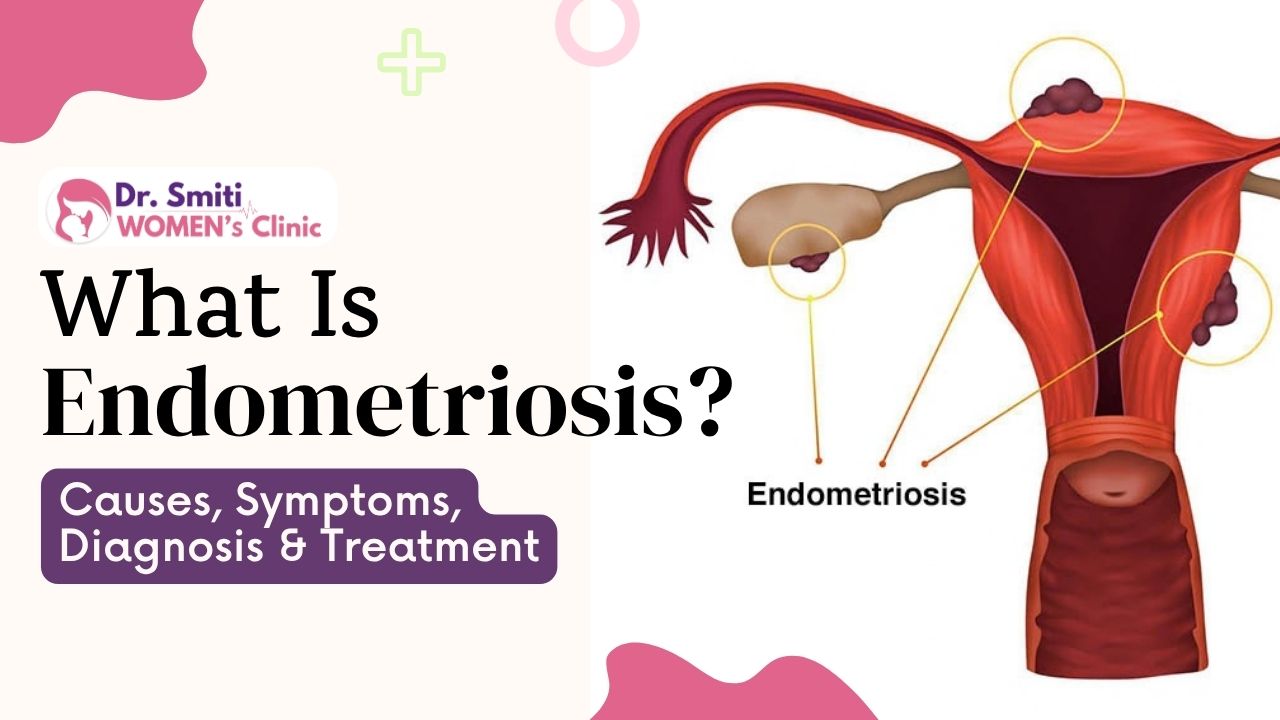
Endometriosis is a long-term condition in which tissue resembling the endometrium—the uterine lining—develops outside the uterus. It most commonly develops on the ovaries, fallopian tubes and the lining of the pelvis, but it can also affect nearby organs such as the bowel and bladder.
Normally, the uterine lining becomes thicker each month to prepare for pregnancy and is shed during menstruation when pregnancy does not occur. Endometriosis-like tissue outside the uterus also responds to monthly hormonal changes. This may cause repeated inflammation and bleeding inside the pelvis, eventually resulting in scar tissue and adhesions that make pelvic organs stick together.
Endometriosis may also cause endometriomas, ovarian cysts filled with old blood that are sometimes called “chocolate cysts.” Depending on where the disease develops, women may experience severe period pain, chronic pelvic pain, pain during sex or bowel movements, heavy bleeding, bloating and difficulty becoming pregnant.
According to the World Health Organization (WHO), endometriosis affects approximately 10% of women and girls of reproductive age worldwide—around 190 million people. Symptoms can begin during the teenage years, although the condition is often diagnosed later, commonly in the 20s and 30s.
Where Does Endometriosis Grow?
Endometriosis can develop in different areas of the pelvis and, rarely, outside it:
- Ovaries: May cause endometriomas or “chocolate cysts”
- Fallopian tubes: May contribute to inflammation and fertility problems
- Pelvic lining (peritoneum): One of the most common locations
- Outer surface of the uterus: Can contribute to pelvic pain and the formation of adhesions.
- Bowel or rectum: Can cause painful bowel movements or other digestive symptoms
- Bladder: May cause pain or discomfort while urinating, particularly during periods
- Vagina or other pelvic tissues: Less commonly affected
- Diaphragm, lungs or surgical scars: Rare locations where endometriosis can occur
Causes of Endometriosis
The exact cause is still unknown. Researchers believe several factors work together:
- Retrograde menstruation: Menstrual blood flows backwards through the fallopian tubes into the pelvis, carrying endometrial cells that attach and grow.
- Immune system problems: The body may fail to recognise and clear misplaced endometrial tissue.
- Hormones: Estrogen appears to fuel the growth of these lesions.
- Genetics: It runs in families. If your mother or sister has it, your risk is higher.
- Cell transformation: Some cells in the pelvic lining or embryonic cells may change into endometrium-like cells.
- Surgical scars: Endometrial cells can occasionally attach to a scar, for example after a C-section.
Risk factors include a family history, early periods (before age 11), short cycles, long or heavy periods, and never having been pregnant.
Symptoms of Endometriosis
Pelvic pain is the hallmark symptom. It often worsens before and during periods because of hormonal inflammation. Common symptoms include:
- Very painful period cramps (dysmenorrhea) that get worse over time
- Lower back or abdominal pain, during or between periods
- Pain during or after intercourse (dyspareunia)
- Pain while passing stool or urine, especially during periods
- Heavy bleeding or spotting between periods
- Bloating, nausea, constipation or diarrhoea, often called “endo belly”
- Constant tiredness
- Difficulty getting pregnant
Important: The severity of pain does not match the severity of the disease. Some women with small patches have intense pain, while others with extensive disease have none. Many women discover endometriosis only when they struggle to conceive.
How Is Endometriosis Diagnosed?
Diagnosis usually begins with a conversation about your symptoms, menstrual history and family history.
- Pelvic examination: Your gynecologist checks for tenderness, cysts or scarring behind the uterus.
- Ultrasound (transvaginal or pelvic sonography): Detects endometriomas (ovarian cysts) and some deeper lesions.
- MRI: Useful for deep infiltrating disease involving the bowel or bladder, and for surgical planning.
- Trial of hormonal medicines: If pain improves on hormonal treatment, endometriosis is likely.
- Laparoscopy: A keyhole procedure where a thin camera is inserted through a small cut near the navel. It allows the surgeon to see the lesions directly, take a biopsy for confirmation, and often treat them in the same sitting.
A normal ultrasound does not rule out endometriosis, because small superficial lesions often do not show on scans.
Endometriosis Treatment Options
Treatment is personalised and depends on your age, symptom severity, the extent of disease, and whether you want to conceive.
1. Pain management
Over-the-counter NSAIDs such as ibuprofen or naproxen can ease cramps. Heat packs, gentle exercise and pelvic floor physiotherapy also help. Always use medicines under your doctor’s guidance.
2. Hormonal therapy
These medicines reduce or stop periods, which slows the growth of lesions:
- Combined birth control pills, patch or vaginal ring
- Progestin-only options, including pills, injections, implants and the hormonal IUD
- GnRH agonists or antagonists, which put the ovaries into a temporary rest state
- Other options such as danazol or aromatase inhibitors in selected cases
Hormonal treatment controls symptoms only while you take it, and it is not suitable if you are actively trying to conceive.
3. Laparoscopic surgery
If medicines do not give enough relief, or if endometriosis is affecting fertility, laparoscopic (keyhole) surgery is the preferred approach. The surgeon removes or destroys endometriosis patches, cuts adhesions and drains ovarian cysts while preserving healthy tissue. Unlike open surgery, laparoscopy typically uses smaller incisions and may result in less pain, a shorter hospital stay and quicker recovery.
4. Fertility treatment
For women who want to conceive, options range from ovulation induction and IUI to IVF, depending on the stage of the disease and other fertility factors. Surgery can improve the chances of natural conception in some cases.
5. Hysterectomy
In severe cases, if other treatments have not worked and childbearing is complete, removal of the uterus, sometimes along with the ovaries, may be considered. It is a last resort and is not a guaranteed cure.
Will endometriosis come back? Endometriosis is chronic. Symptoms can return after surgery or after stopping medication, which is why long-term follow-up and, often, hormonal maintenance therapy are advised.
Endometriosis and Fertility
Endometriosis does not mean you cannot get pregnant. Many women conceive naturally or with simple assistance. However, scarring, blocked tubes, ovarian cysts and inflammation can reduce fertility. If you are planning a pregnancy, consult a gynecologist early so that treatment can be timed correctly.
Lifestyle Tips That May Help
These do not replace medical treatment, but may support it:
- Regular moderate exercise, which can reduce inflammation and pain
- Eating a balanced diet with vegetables, fruits, whole grains and foods containing omega-3 fatty acids can support overall wellbeing.
- Stress management through yoga, breathing exercises or counselling
- Tracking your pain and cycle in a diary to share with your doctor
Frequently Asked Questions
1. What is the main cause of endometriosis?
The exact cause is unknown. Retrograde menstruation, immune dysfunction, hormones and genetics are the leading explanations.
2. Is endometriosis curable?
Although there is no permanent cure, endometriosis symptoms can often be managed effectively with medicines and surgery.
3. Is endometriosis dangerous or cancerous?
Endometriosis growths are benign (non-cancerous). However, they can cause chronic pain, cysts, scarring and infertility if untreated.
4. Can endometriosis be seen on an ultrasound?
Ultrasound can identify ovarian endometriomas and certain deep lesions, although smaller lesions may not always be detected. Laparoscopy is the most definitive test.
5. Can I get pregnant with endometriosis?
Yes, many women do. Early consultation and appropriate treatment improve the chances.
6. At what age does endometriosis start?
Symptoms commonly start during adolescence or the early 20s and often become less noticeable after menopause.


