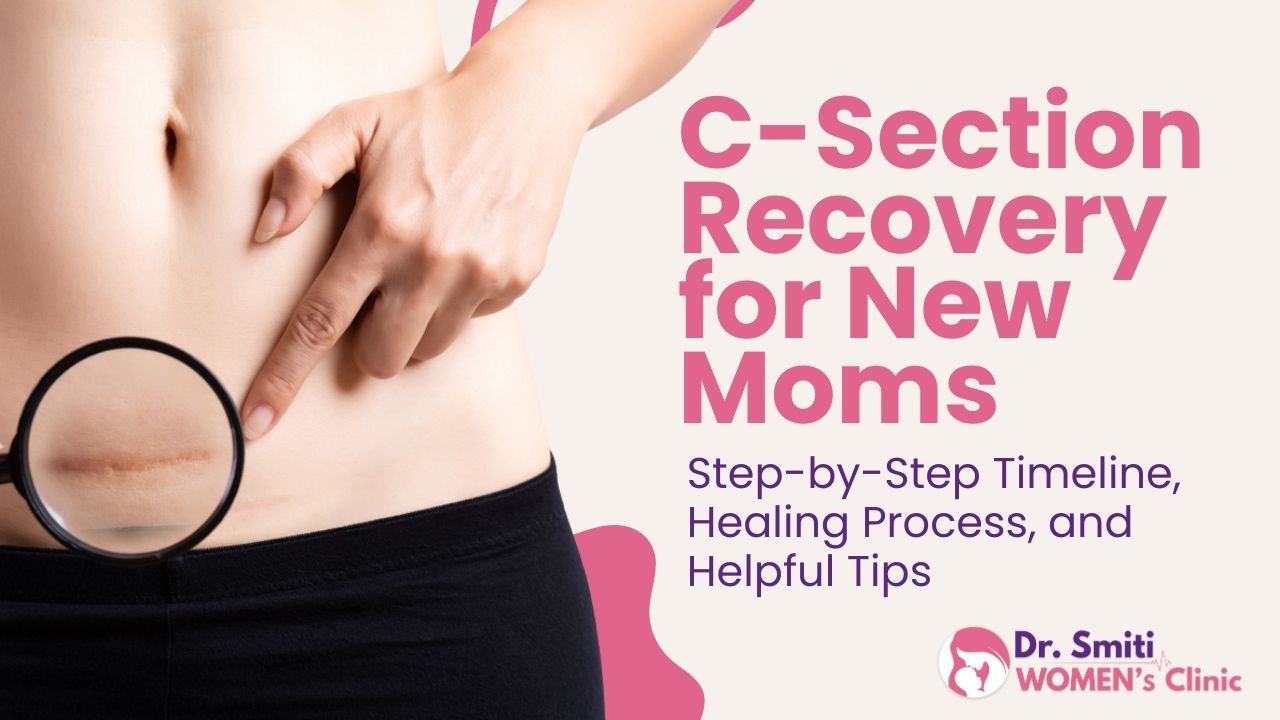
A Cesarean section, commonly known as a C-section, is a major surgical procedure used to deliver a baby through incisions made in the abdomen and uterus. While C-sections are common and generally safe, recovery is significantly different from vaginal birth because the body must heal from surgery in addition to childbirth.
Understanding the C-section recovery time, the healing process, and the physical and emotional changes that occur week by week can help new mothers recover safely, avoid complications, and feel more confident during postpartum healing.
How Long Is C-Section Recovery Time?
The average recovery time for a C-section is 6 to 8 weeks, but full internal healing can take up to 12 weeks (3 months) or longer. Some women feel better within a few weeks, while others may experience discomfort that lasts for several months.
Factors That Affect Cesarean Recovery Time:
- Planned vs. emergency C-section
- Overall health and fitness before pregnancy
- Presence of complications (infection, hemorrhage, anemia)
- Level of postpartum support
- Number of previous C-sections
Because a C-section cuts through several layers of tissue, healing happens in stages.
C-Section Recovery Timeline
Immediately After Surgery (0–24 Hours)
What Happens Physically:
- Anesthesia (spinal or epidural) keeps you numb from the waist down
- A urinary catheter is placed
- IV fluids and medications are administered
- Blood pressure, bleeding, and incision are closely monitored
Common Symptoms:
- Grogginess or nausea
- Shaking or chills
- Pain once anesthesia wears off
- Vaginal bleeding (lochia)
- Swelling in legs and feet
Recovery Care:
- Pain control through IV or oral medication
- Encouraged leg movement to prevent clots
- Assistance holding or breastfeeding the baby
Days 2–4: Hospital Recovery Phase
Most women spend 2 to 4 days in the hospital following a C-section.
What You May Experience:
- Pain peaking around 18–48 hours
- Difficulty standing straight
- Gas pain and bloating
- Slow bowel movements
- Fatigue
Care & Support:
- Catheter removal
- Transition to oral pain medication
- Short assisted walks
- Showering allowed in most cases
- Monitoring incision for infection
💡 Tip: An abdominal binder can help reduce pain and make movement easier.
Week 1 After C-Section
Physical Symptoms:
- Incision pain and swelling
- Heavy vaginal bleeding
- Abdominal tightness
- Constipation
- Emotional changes due to hormones
What to Focus On:
- Rest as much as possible
- Take short walks several times throughout the day.
- Take pain medication as prescribed and on time.
- Support incision when coughing or laughing
🚨 Seek medical care immediately if you experience:
- Fever above 100.4°F
- Severe abdominal pain
- Heavy bleeding soaking pads
- Redness or pus from incision
Week 2 After C-Section
Healing Progress:
- Pain begins to ease
- Bleeding decreases
- Incision edges close more firmly
- Energy improves slightly
Activity Guidelines:
- Light household activities only
- Avoid lifting anything heavier than your baby
- Continue gentle walking
💡 Sudden movements may still cause sharp pain—move slowly and deliberately.
Weeks 3–4: Continued Healing
What’s Normal:
- Increased mobility
- Reduced bleeding
- Scar may feel itchy, numb, or sensitive
- Occasional pulling sensations
What to Avoid:
- Vigorous exercise
- Abdominal workouts
- Heavy lifting
- Long periods on your feet
Helpful Practices:
- Nutritious meals
- Hydration
- Adequate sleep
- Emotional support
💡 Comparing your recovery to others can increase frustration—every body heals differently.
Weeks 5–6: Major Recovery Milestone
This period marks the end of primary healing for most women.
What Changes:
- Pain is minimal or gone
- Bleeding has stopped
- Incision is stronger
- Uterus returns to pre-pregnancy size
After 8–12 Weeks: Long-Term Healing
Although most women feel “normal,” internal tissues may still be strengthening.
Possible Ongoing Symptoms:
- Mild incision tenderness
- Core weakness
- Pelvic floor issues
- Emotional adjustments
Focus Areas:
- Gradual core strengthening
- Pelvic floor therapy if needed
- Mental health care
- Balanced lifestyle
C-Section Recovery Tips
1. Rest Is Essential
Rest is one of the most important elements of recovery after a C-section because your body needs energy to heal from major surgery. Try to nap whenever your baby sleeps, even if it’s only for short periods. Limiting visitors can help prevent exhaustion and overstimulation, allowing you to focus on healing. Accepting help from family or friends for cooking, cleaning, or baby care is not a weakness—it is an essential part of recovery that allows your body to heal properly.
2. Pain Management
Proper pain control helps you move comfortably and heal faster. Take all prescribed medications exactly as directed, especially in the first few weeks. Using ice or heat packs can ease pain around the incision or lower back. Avoid skipping doses early on, as staying ahead of the pain allows you to walk, rest, and care for your baby with less strain on your body.
3. Incision Care
Proper care of your surgical incision is important for healing and infection prevention. Keep the incision clean and dry, gently washing it with mild soap and water as instructed by your doctor. Avoid tight clothing that can rub the area. Check the incision every day for redness, swelling, warmth, discharge, or increasing pain, and contact your doctor if you notice anything unusual.
4. Gentle Movement
Although rest is essential, gentle movement plays an important role in recovery. Short, slow walks help prevent blood clots, reduce swelling, improve circulation, and boost mood. Walking also supports bowel function and overall healing. However, intense exercise, abdominal workouts, or strenuous physical activity should be avoided until your doctor confirms that your body is ready.
5. Avoid Heavy Lifting
Avoiding heavy lifting protects your incision and internal stitches during healing. Do not lift groceries, laundry baskets, older children, or any objects heavier than your baby. Pushing heavy strollers uphill or performing physically demanding tasks can strain your abdominal muscles and slow recovery. Focus on light activities only until your doctor clears you for more movement
6. Prevent Constipation
Constipation is common after a C-section due to pain medication, reduced movement, and hormonal changes. To prevent straining that could stress your incision, drink plenty of water throughout the day and eat fiber-rich foods such as fruits, vegetables, and whole grains. If recommended by your doctor, stool softeners can help make bowel movements more comfortable during recovery.
7. Nutrition for Healing
Good nutrition supports faster and more complete healing after a C-section. Eating protein-rich foods helps repair tissues, while iron-rich foods replenish blood lost during surgery. Fiber supports digestion and prevents constipation. A balanced diet that includes fruits, vegetables, lean proteins, whole grains, and healthy fats provides the nutrients your body needs to recover and maintain energy while caring for your newborn.
8. Emotional Recovery
Emotional well-being is equally important. Hormonal changes, sleep loss, surgery, and newborn care can lead to mood swings, anxiety, or baby blues. These feelings are common, but if sadness, anxiety, or emotional distress lasts longer than two weeks or interferes with daily life, it is important to seek professional help. Support from loved ones and healthcare providers can make a significant difference.
9. Breastfeeding After a C-Section
Breastfeeding can be challenging after surgery due to incision pain. Using supportive positions like side-lying or football hold can help reduce pressure and improve comfort. Using pillows to support your baby and your abdomen can make feeding easier. If nursing is uncomfortable, a lactation consultant can offer support and guidance.
Conclusion
C-section recovery is gradual, involving both physical and emotional healing. As explained in this blog, the typical C-section recovery time is about 6–8 weeks, while full internal healing may take longer. Understanding the week-by-week recovery timeline helps new mothers know what to expect and how to care for themselves at each stage. Proper rest, pain management, incision care, gentle movement, healthy nutrition, and emotional support all play an important role in safe recovery. Every mother’s healing journey is different, so listening to your body and following medical advice are essential for a smooth and healthy recovery after a C-section.


